NATURE RESERVES

Yala national park an unfogettable experience
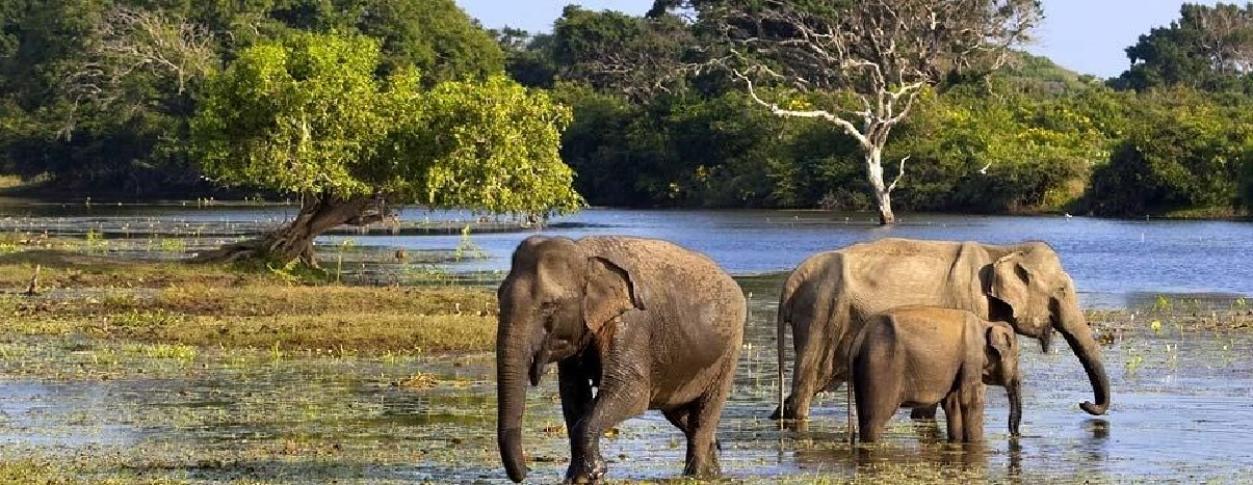
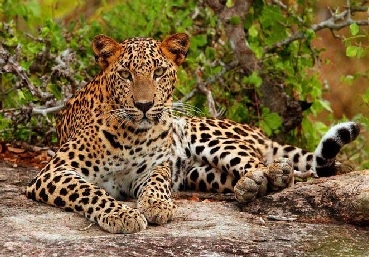
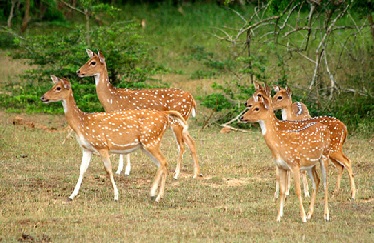
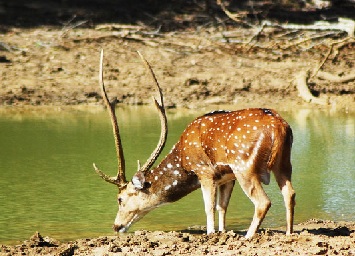
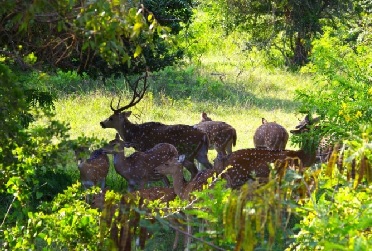
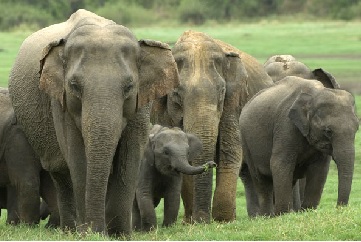
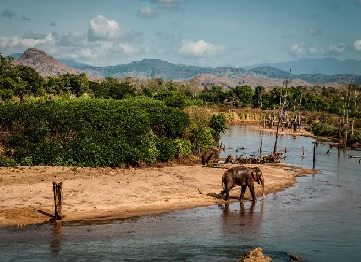
Yala National Park which is the oldest national park in the island is situated in the south east region of the country 309 km from Colombo. The sanctuary is the habitat for a wide variety of animals and birds and it has an area of 1,259 sq km with waterholes, streams, lakes and lagoons and terrain that ranges from flat plains to rocky regions and open parklands to dense jungle. This is leopard country, and they are the Lords of the Jungle! With a leopard density that's higher than anywhere else on this planet, these menacing predators prowl majestically in Yala, while elephants roam in their numbers with cautious deer scampering by their side.
Bird watching at Kumana
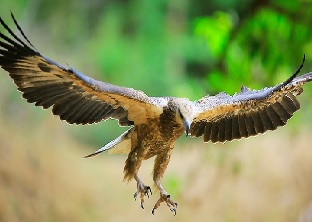
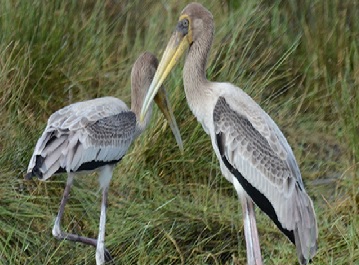
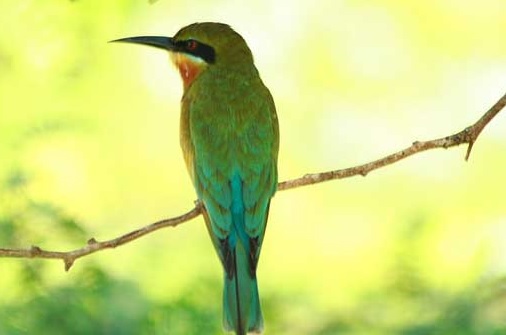
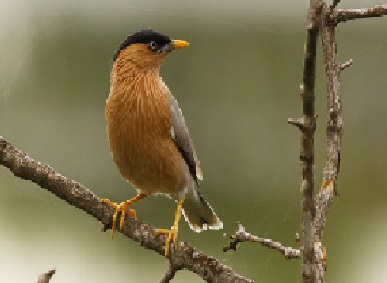
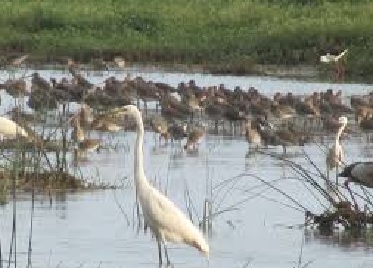
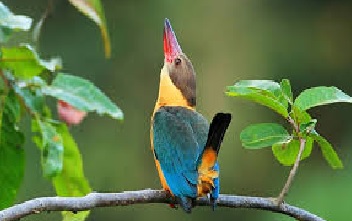
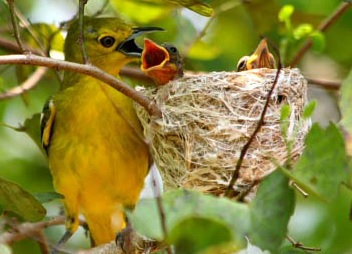
Kumana bird sanctuary is the habitat of many species of birds both local and migrant such as pelicans, painted storks, cormorants, herons, egrets, spoonbills, white ibis, the rare black-necked stork and many mammals. Located in the southeast corner of Sri Lanka , the 18,149 hectare Kumana (Yala East) National Park is a well-known eco tourism attraction and bird sanctuary where a multitude of birds breed and roost. One of the most significant features of the park is the 'Kumana Villu' - a 200 hectare natural swamp lake, fed by the 'Kumbukkan Oya' through a half mile long narrow channel. It is at this mangrove swamp that many water birds nest in May and June. Regular sightings include such species of bird as pelicans, painted storks, spoonbills, white ibis, herons, egrets and little cormorants. The very rare black-necked stork has also been spotted at the swamp. Besides the prolific birdlife, Kumana is also home to some of the mammals found in the larger Yala National Park (Yala West) park, such as elephants and leopards. The vegetation in Kumana consists mainly of mangrove trees, kumbuk trees and the karan fern, as well as the open marsh area. For bird watching enthusiasts, the park is an 'absolute must'.
Bundala national park and watch the water birds
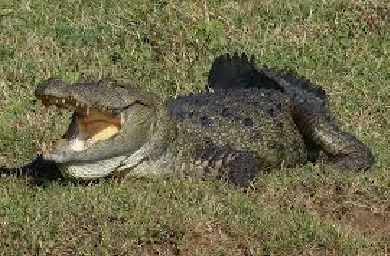
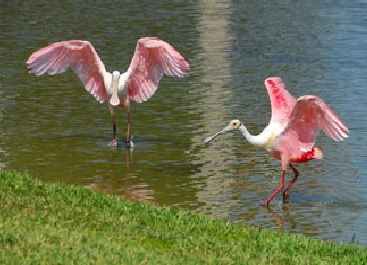
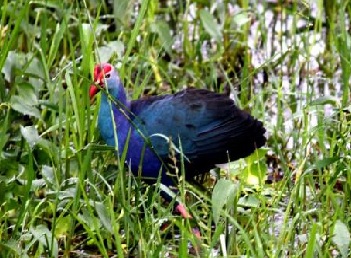
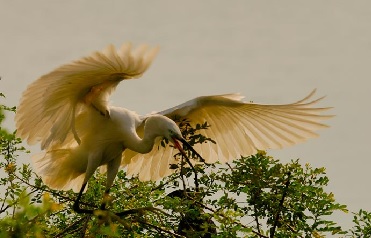
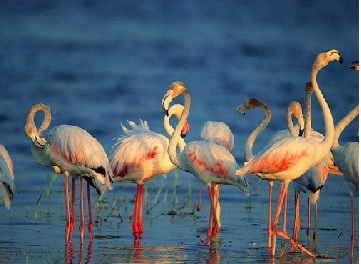
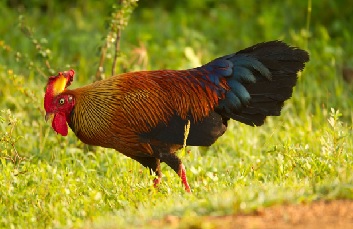
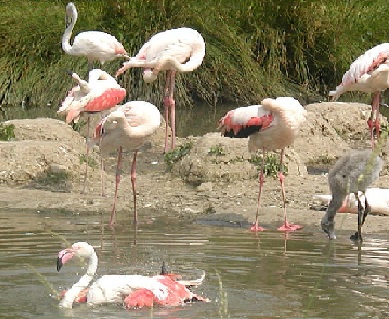
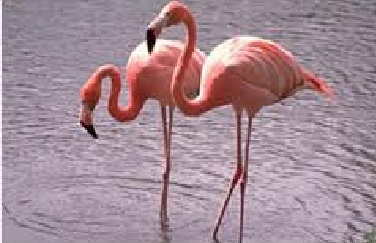
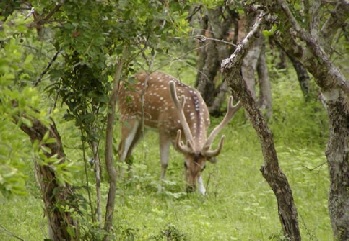
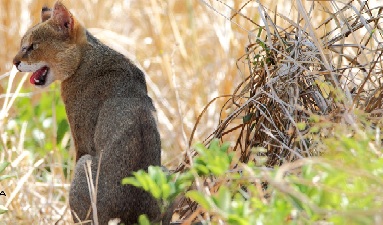
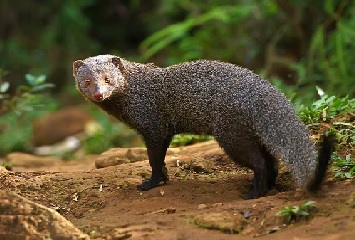
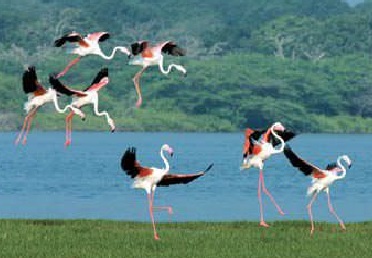
Bundala National Park, situated 245 kilometers southeast of Colombo in the southern province close to Hambantota, is an internationally important wintering ground for migratory water birds in Sri Lanka. Bundala harbors 197 species of birds, the highlight being the greater flamingo which migrates in large flocks. Bundala national park is a wetland sanctuary with thorny scrub jungle, brackish lagoons, salt pans and inter-tidal mudflats famous for diverse aquatic bird life and a small population of elephants, leopards, deer, and sambar. The Greater Flamingo which visits in large flocks of over 1,000 from India is the highlight of this national park. Waterfowl, cormorants, large water birds, Black headed ibis, Asian Open Bill, medium sized waders and small waders are the other avifaunal species which are present in large flocks. Black necked stork and Eurasian coot are rare birds that inhabit the national park. A few Asian elephants still inhabit the forests of Bundala. Other mammals seen in the park are toque macaque, common langur, Jackal, Leopard, Fishing cat, Rusty-spotted cat, Mongoose, Wild boar, Mouse deer, Indian muntjac, Spotted deer, Sambar, Black-naped hare, Indian pangolin and Porcupine. Bundala harbors various forms of fishes including salt water dispersants, marine forms, brackish water forms and freshwater forms. Bundala's amphibious fauna include two endemic species, a toad and a snake and many reptiles such as Mugger crocodile, Estuarine crocodile, Common monitor, Star tortoise, Python, Rat snake, endemic Flying snake, Cat snakes and Whip snakes. The adjacent seashore of Bundala is a breeding ground for all five species of globally endangered Sea turtles that migrate to Sri Lanka.
Pinnawala on an elephant wild life tour
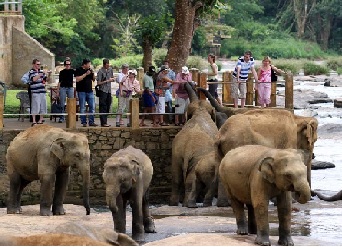
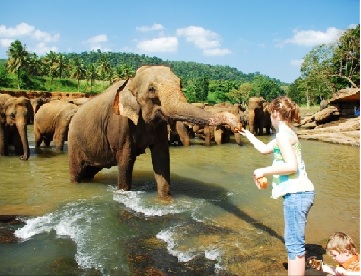
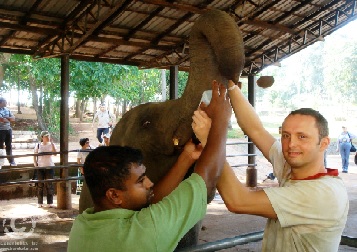
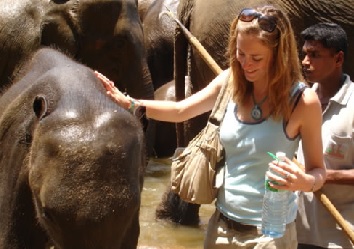
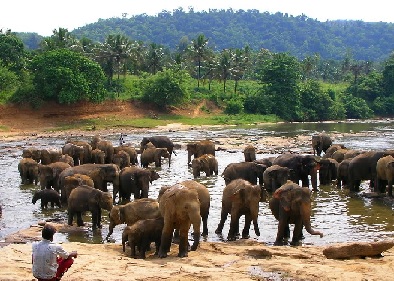
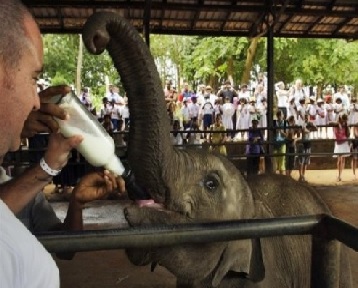
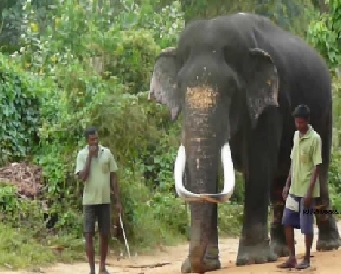
Pinnawala elephant orphanage, covering an extent of 24 acres, is also a breeding place for elephants and it has the greatest herd of elephants in captivity in the world. An attempt has been made here to simulate conditions prevailing in the wild and elephants are allowed to roam freely during the day which allows them to form into herds. The orphanage was established to feed, nurse and house young elephants found abandoned by their mothers. Young elephants sometimes fall into pits and ravines in their quest for water during drought period. Other orphans have been displaced from their wild habitat by development projects or have been found abandoned before weaning, diseased or wounded. There are 48 Elephant mahouts or handlers who take care of the elephants. The female and young elephants in Pinnawala range freely as a herd during the day in an area of a few acres. They are herded about 0.5 km twice a day to drink and be bathed in the river. At night, the females are individually chained in stalls. Adult males are left to do some light work such as transporting feed. They are chained and managed individually. Calves born in Pinnawala are normally not bottle fed, but a few are kept and bottle fed as a tourist attraction. The elephants are fed in their stalls. There is very little food they can gather from the premises of the orphanage except some grass. Large quantities of jackfruit, coconut, kitul (sugar palm), tamarind and grass, brought in daily, form the bulk of the elephant’s food. Each adult animal is given around 250 kilograms of this green matter per day and around 2 kg from a food bag containing rice bran and maize.
Gal Oya national park with wild boat rides
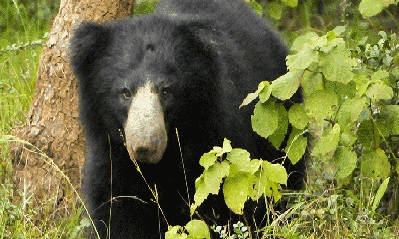
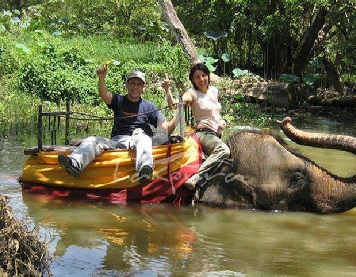
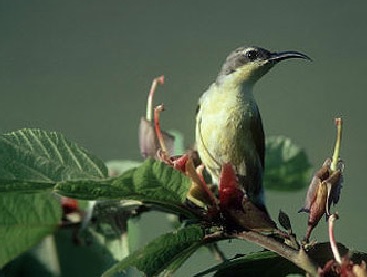
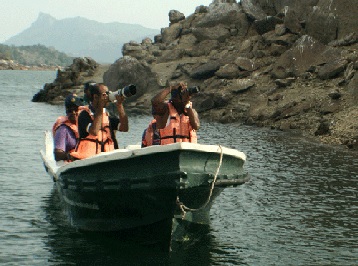
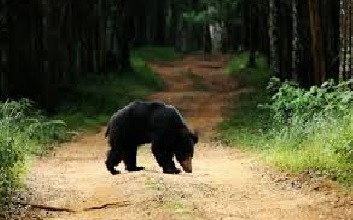
Gal Oya national park, 25,900 hectares in extent, is rich in flora and fauna and has many tourism attractions such as safari boat rides. The park is the habitat of many endemic species including birds and mammals. Gal Oya National Park lies in the southeast of Sri Lanka and to the west of Ampara. It was established in 1954 by the Gal Oya Development Board mainly to protect the catchment area of the 'Senanayake Samudra' Reservoir, and then handed over to the department of Wildlife Conservation in 1965. Considered as a major eco tourism venue, the national park is rich in flora and fauna. About 45% of the park is covered by evergreen forest and a further 33% is taken up by savanna areas consisting of a plain characterized by coarse grasses and scattered tree growth. The 25,900 hectare park has about 32 species of mammals including common langur, endemic toque macaque, leopard, sloth bear, elephant, wild boar, water buffalo and 3 species of deer. For birding enthusiasts, approximately 150 of Sri Lanka 's 430 species of birds have been observed in this region.
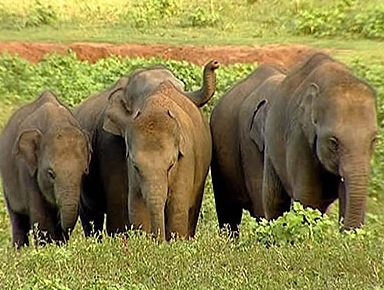
Udawalawe National Park
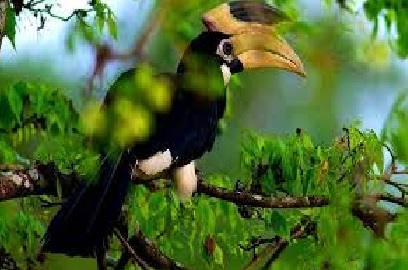
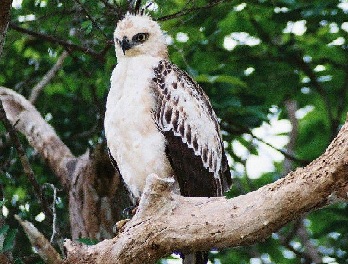
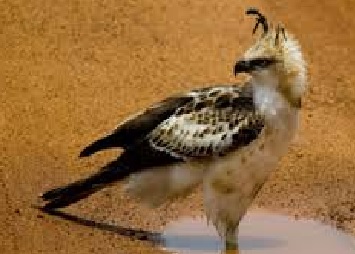
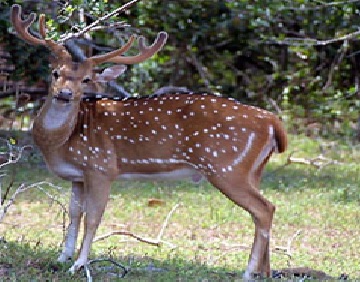
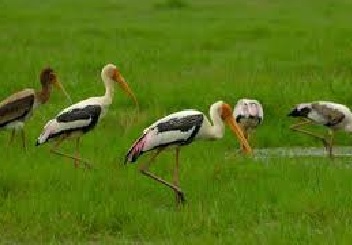
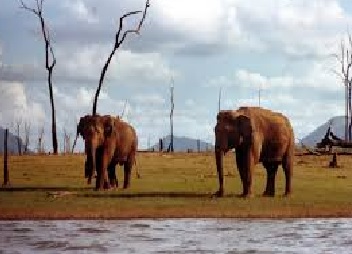
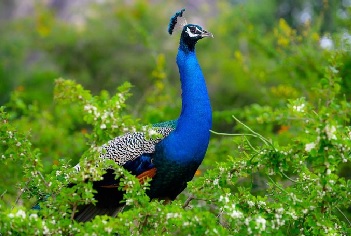
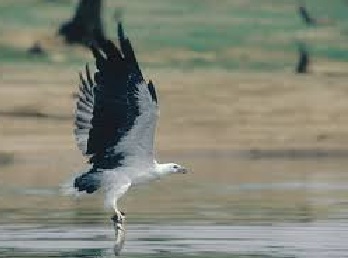
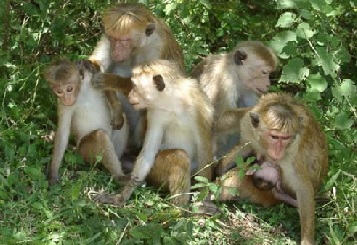
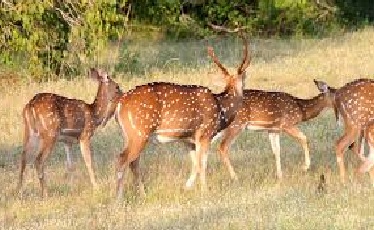
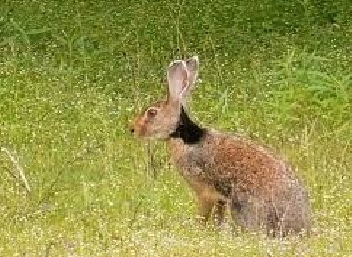
It is a National park, next in popularity to Yala, where elephants could be seen even during mid day. Several species of mammals and many species of birds are found here. The park is 165 from Colombo. Udawalawe is an important habitat for water birds and Sri Lankan elephants. It is a popular tourist destination and the third most visited park in the country. The Udawalawe Elephant Transit Home has been established in 1995 for the purpose of looking after abandoned elephant calves within the park and the calves are normally released in the park when old enough to fend for themselves. The Rusty spotted cat, Fishing cat and Sri Lankan Leopard present in Udawalawe are all members of the Felidae Cat family. The Sri Lankan Sloth bear is seldom seen because of its rarity. Sri Lankan Sambar deer, Sri Lankan Axis deer, Indian Muntjac, Sri Lankan Spotted chevrotain, Wild boar and Water buffalo are among other mammal species. Golden jackal, Asian palm civet, Toque macaque, Tufted grey langur and Indian hare also inhabit the park. A study conducted found that considerable numbers of Golden palm civets inhabit the forests of Udawalawe. Five species of mice also have been recorded from the park. The endemic Ceylon spiny mouse, known from Yala national park was also recorded in Udawalawe during the study. Indian bush rat and three species of Mongoose are also recorded in the national park. Udawalawe is also a good bird watching site. Endemics such as Sri Lankan Spur fowl, Red faced malkoha, Sri Lankan grey hornbill, Brown capped babbler and Sri Lankan Jungle fowl are among the breeding resident birds of the park. White Wagtail and Black capped kingfisher are rare migrants. A variety of water birds visit the reservoir, including Cormorants, the Spotted billed pelican, Asian open bill, Painted stork, Black headed ibis and Eurasian spoonbill. The open parkland attracts birds of prey such as White bellied sea eagle, Crested serpent eagle, Grey headed fish eagle, Booted eagle, and Changeable hawk eagle. Land birds are in abundance, and include Indian roller, Indian peafowl, Malabar pied hornbill and Pied cuckoo.
Singharaja Forest
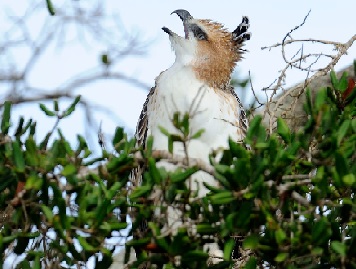
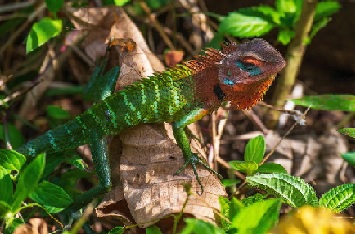
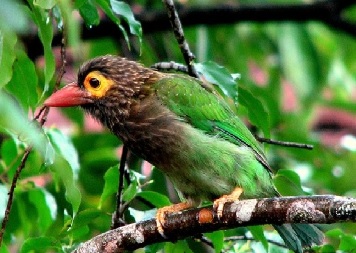
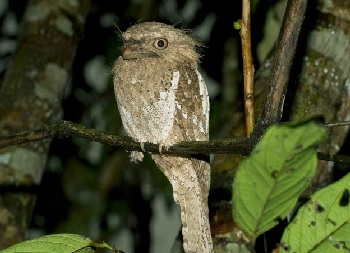
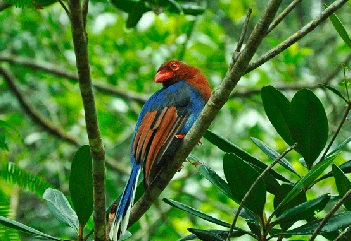
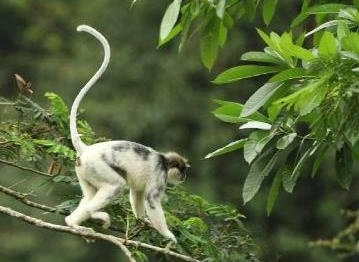
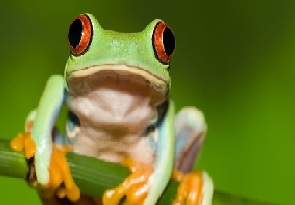
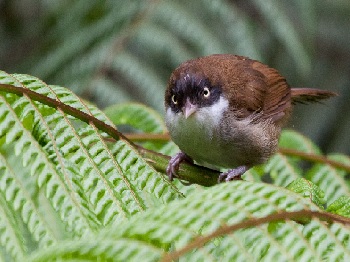
Sri Lanka’s most beautiful rain forest, which is a world heritage, situated close to Ratnapura with a variety of indigenous plants and animals. It has rivers and streams flowing with many water holes where animals could be seen with several bird species. The reserve is only 21 km from east to west, and a maximum of 7 km from north to south, but it is a treasure trove of endemic species including trees, insects, amphibians, reptiles, birds and mammals. Because of the dense vegetation, wildlife is not as easily seen as at dry-zone national parks such as Yala. There are a few elephants and leopards that are rarely seen. The most common larger mammal is the endemic Purple faced langur. An interesting phenomenon is that birds tend to move in mixed feeding flocks, invariably led by the fearless Greater Racket tailed drongo and the Noisy Orange billed babbler. Of Sri Lanka's 26 endemic birds, the 20 rainforest species all occur here, including the elusive Red faced malkoha, Green billed coucal and Sri Lankan Blue magpie. Reptiles include the endemic Green pit viper and Hump nosed vipers. There are a large variety of amphibians, especially tree frogs. Invertebrates include the endemic common birdwing butterfly and the inevitable leeches.
Wilpattu National Park
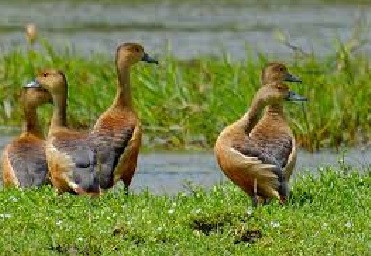
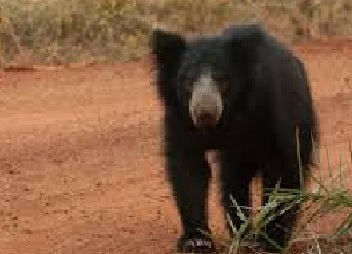
Wilpattu reserve is situated 50 km west of Anuradhapura and it is the habitat of elephants, leopards, sloth bear, deer and sambur. It has several lakes that attract thousands of water birds. The unique feature of this park is the existence of Willus or natural lakes or natural sand-rimmed water basins or depressions that fill with rainwater. Nearly sixty lakes (Willus) and tanks are found spread throughout Wilpattu which is the largest and one of the oldest national parks in Sri Lanka. It is among the top national parks in the world and renowned for its Leopard population. About 31 species of mammals have been identified within Wilpattu national park. Mammals that are identified as threatened species living within the Wilpattu National Park are the elephant, sloth bear, leopard and water buffalo. Sambar, spotted deer, mongoose, mouse and shrew are some of Wilpattu's common residents. The Painted stork, the open bill, little cormorant, Sri Lanka jungle fowl along with many species of owls, terns, gulls, eagles, kites buzzards are to be found at Wilpattu National Park. Wetland bird species that can be seen in Wilpattu are the garganey, pintail, whistling teal, spoonbill, white ibis, large white egret, cattle egret and purple heron. The most common reptiles found in the park are the monitor lizard, mugger crocodile, common cobra, rat snake, Indian python, pond turtle and the soft shelled turtle which are resident in the large permanent Villus.
Horton Plains National Park
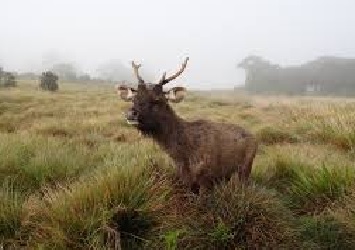
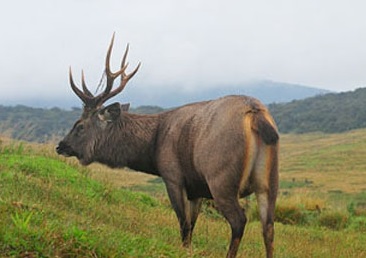
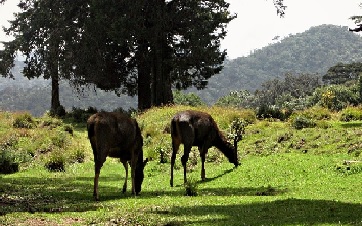
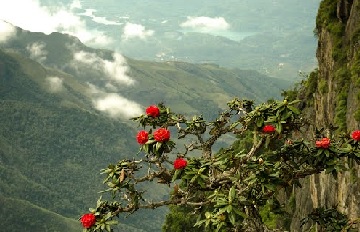
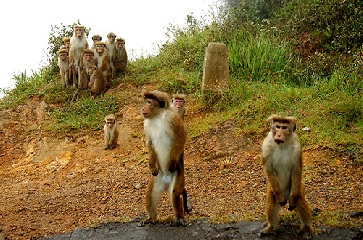
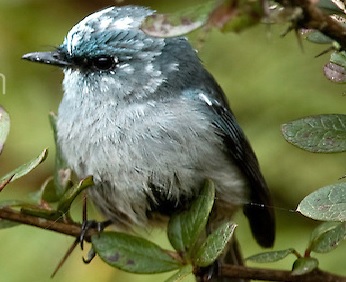
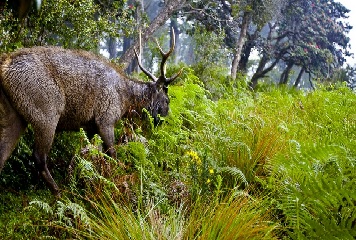
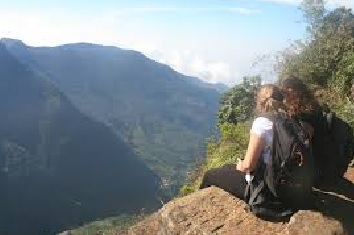
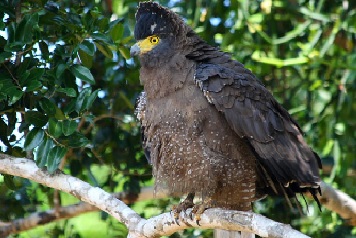
Horton Plains National Park in Ohiya is a protected area in the central highlands of Sri Lanka and is covered by montane grassland and cloud forest. This plateau at an altitude of 2,100–2,300 meters is rich in biodiversity and many species of fauna found here are endemic to the region. The sheer precipice of World’s End and Baker’s Falls are among the tourist attractions of the park. The vertebrate fauna of the region includes 24 species of mammals, 87 species of birds, nine species of reptiles and eight species of amphibians. The Sri Lankan elephant disappeared from the region in the 1940s at the latest. At present, the largest and the most commonly seen mammal is the Sambar deer. Other mammal species found in the park include Kelaart’s Long clawed shrews, Toque macaques, Purple faced langurs, Rusty spotted cat, Sri Lankan leopards, Wild boars, Stripe necked mongooses, Sri Lankan Spotted chevrotains, Indian muntjacs, and Grizzled giant squirrels Fishing cats and European Otters visit the wetlands of the park to prey on aquatic animals. A subspecies of Red slender loris called the Horton Plains slender loris is found only in highlands of Sri Lanka and is considered one of the world's most endangered primates. Horton Plains contains 21 bird species which occur only in Sri Lanka. Sri Lanka Blue magpie, Dull blue fly catcher, Sri Lanka white eye, and Sri Lanka wood pigeon occur only in Horton plains, while other endemic species include Sri Lanka spur fowl, Sri Lanka jungle fowl, Yellow fronted barbet, Orange Billed babbler, Sri Lanka bush warbler, and Sri Lanka whistling thrush. Many birds migrate here in winter including Swift lets and Alpine Swift. Crested serpent eagle, Mountain hawk eagle, Black winged kite and Peregrine falcon are among the birds of prey found in Horton Plains. Harriers are among the migratory raptors.