FESTIVALS

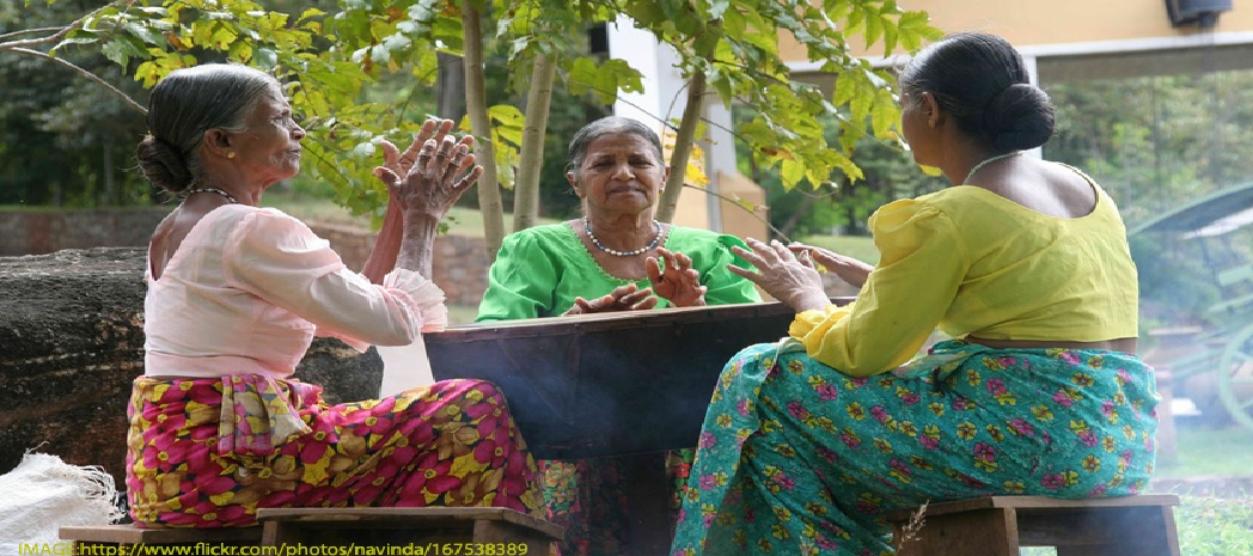
Duruthu Perahera (25-26-27 January)
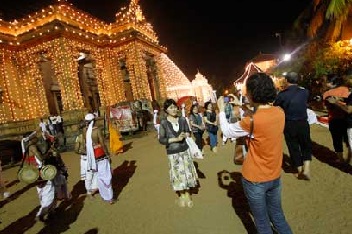
This colourful festival commemorates the Buddha’s visit to Kelaniya in the eighth year following his Enlightenment (535 BC). The procession commences and culminates at the Kelaniya Raja Maha Vihara Temple 7 miles (11 km) northeast of Colombo. The Kelaniya dagoba, unusual for its “paddy heap” design, is attributed to King Yatala Tissa (3rd Cent. BC); and the temple is renowned for its intricate wall paintings and murals.
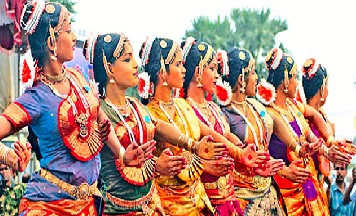
Thai Pongal (14 January)
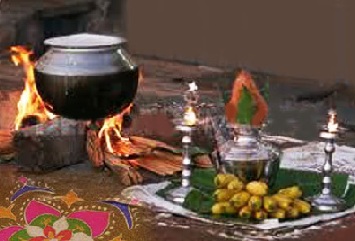
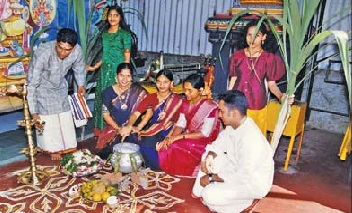
This Hindu festival celebrates the harvest and honors the Hindu Sun deity. It is marked by many observances, including the ceremonial preparation and consumption of traditional sweetened and spiced rice called pongal. In rural areas it is followed immediately after by Madu Pongal, which honors domestic livestock.
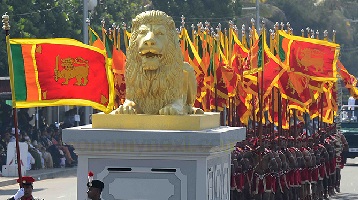
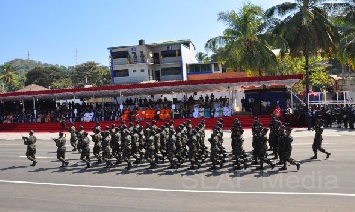
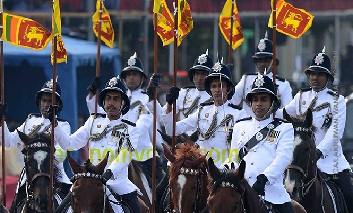
Independence Day (4 February)
Celebrations full of pomp and pageantry mark the anniversary of Independence from Great Britain in 1948.
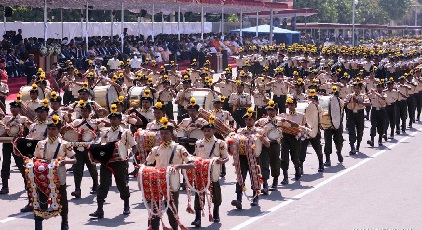
Navam Perahera (25-26 February)
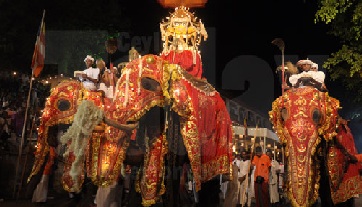
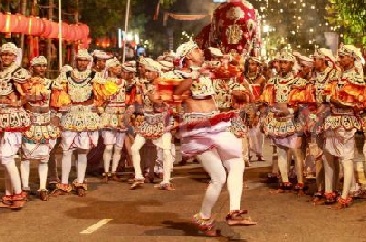
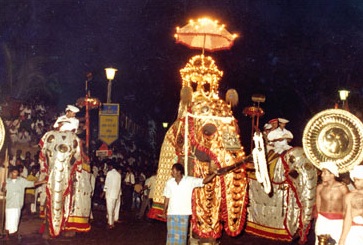
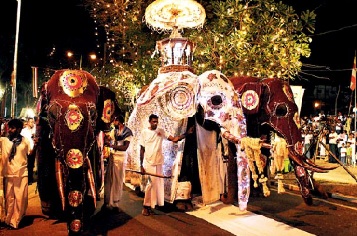
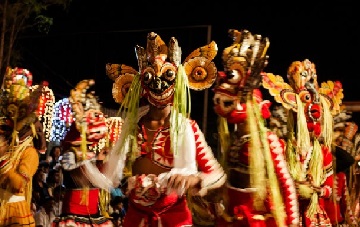
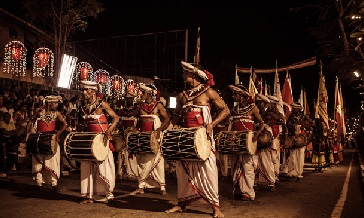
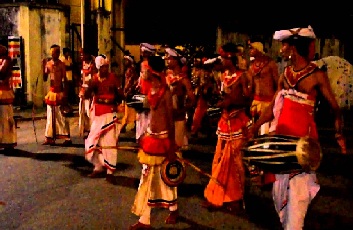
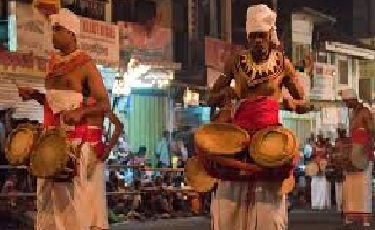
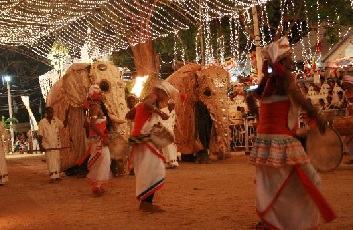
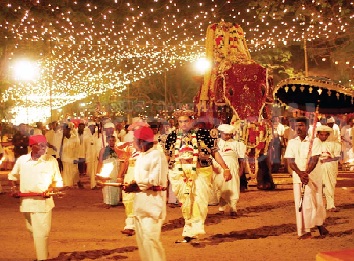
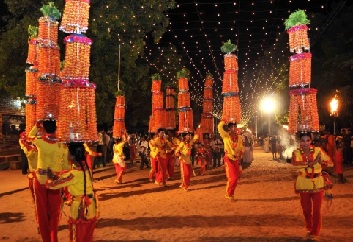
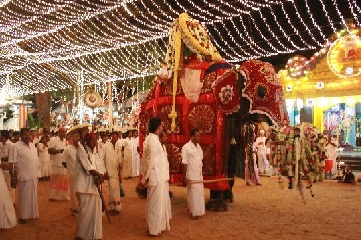
This is undoubtedly Colombo’s grandest outdoor parade, with a splendid display of Sri Lanka’s traditional forms of art: including performances by rhythmic dancers and drummers from around the island in a procession of over 100 caparisoned elephants.
Maha Sivarathri(Late February or Early March)
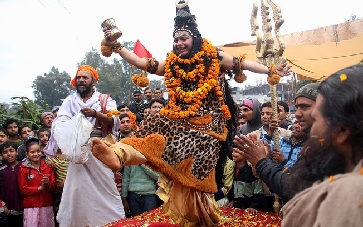
Held in late February or early March, this festival commemorates the union of Lord Siva with his consort Parvathi.
Sinhala & Tamil New Year(13 or 14 April)
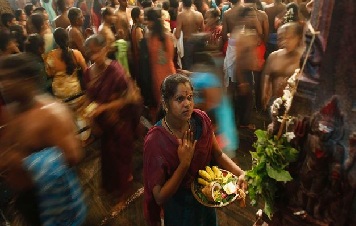
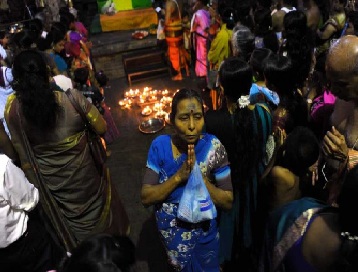
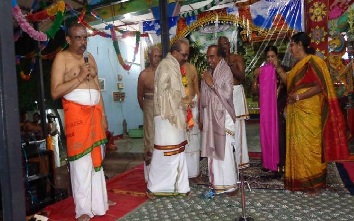
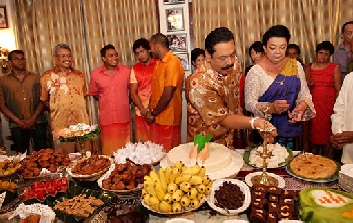
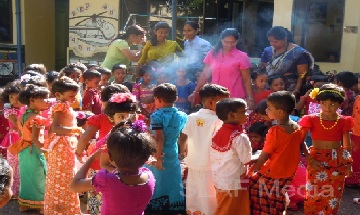
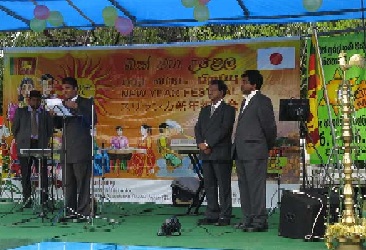
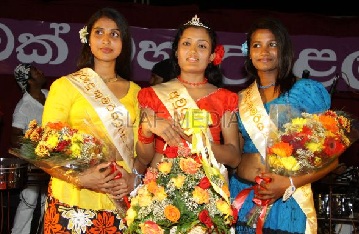
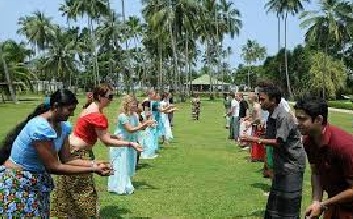
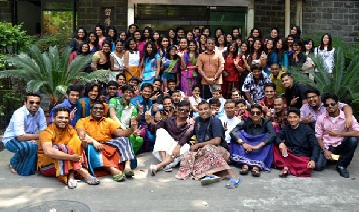
When the sun moves from the Meena Rashiya (House of Pisces) to the Mesha Rashiya (House of Aries) in the month of April (in Sinhala, the month of Bak) Sri Lankans (Sinhala Buddhists and Tamil Hindus) celebrate their New Year Aluth Avurudhu among the Sinhalese and Puththandu among Tamils. The astrologers declare the time of concluding the old year and the beginning of the new year. The in between time is called the nona gathe (neutral period). During this time people are advised to keep off from all types of work and engage solely in religious activities. They are also given auspicious times to light fire and boil milk, eat, bathe, do business and leave for work. In all these auspicious times you can hear the storm of firecrackers and sometimes drum beats (Raban). Long before the specialists talked of time management, the Sinhala and Tamil cultures had developed an intricate measure to manage time through a framework of auspicious and bad times. This came into their culture through astrology. The archaic value of the Sinhala ‘Aluth Avurudda’ lies in its traditional way of celebrating the festival, but unfortunately modern society does not think that they are essential nor are they concerned with them. Urbanization has paved the way to disregard the injunctions as unimportant. But in village’s people still follow old practices and engage themselves with indoor and outdoor entertainments. The New Year has become an important holiday for both the cultures of the Sinhalese Buddhists and the Tamil Hindu Sri Lankans, and many Sri Lankan communities living abroad too celebrate this occasion rallying in temples or wherever possible at their places of residence. Another important feature of the New Year is to respect the elders and to strengthen relationships with relations and neighbours. Usually, visiting relations and friends and exchanging presents, greeting them with a sheaf of betel is the traditional way. April is the month of fruits and flowers, as well as of festivals for all races and religions in Sri Lanka. Christians celebrate Easter, with Roman Catholics conducting a splendid passion play similar to that of Oberammergau at Duwa, off Negombo; and Hindus celebrate the Pattini Festival, chiefly at Badulla. This is the warmest month of the year, during which many residents of Colombo retreat to the cooler climes of the hill country, especially to Nuwara Eliya: scene of numerous seasonal activities such as tennis and golf tournaments, horse races and exotic flower shows. The towns of Bandarawela and Diyatalawa are also popular resorts.
Vesak (On Full Moon Day in May)
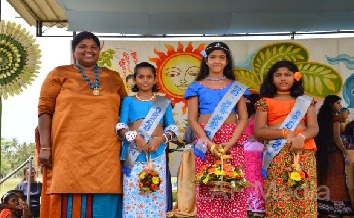
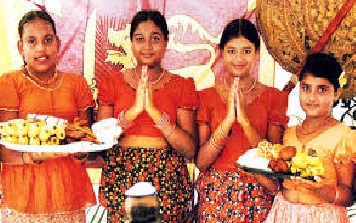
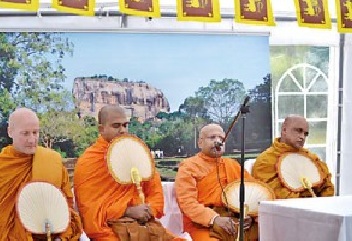
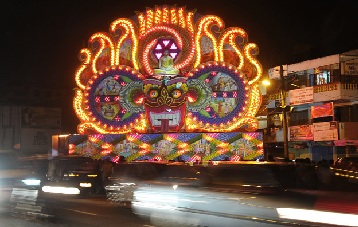
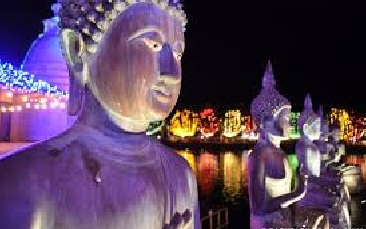
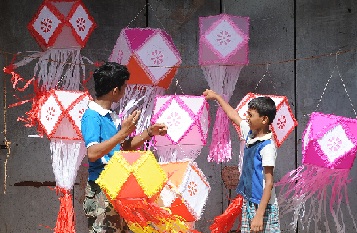
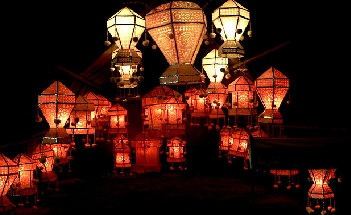
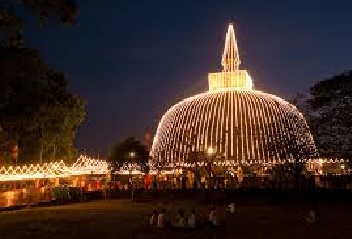
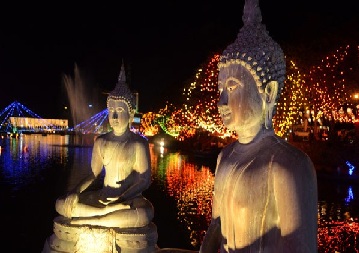
Sri Lanka celebrates Vesak on full moon day in the month of May to commemorate the birth of Buddha, his attaining Enlightenment and his passing away into Nirvana. There are many religious activities on this day including observation of Sil (a way of concentrating the mind to understand and practice Buddhist way of living) meditating, distributing various type of donations to needy people and to temples and lighting lanterns made from bamboo frames and covered in coloured papers at all temples and houses. Also huge pandals and illuminated displays decorate streets. Dansals (small temporary stalls) on the roadside distribute free refreshments to passers-by and there are interesting theatre performances and Bhakthi Gee (Vesak devotional songs) staged on street platforms throughout the night. All these traditional observances, in essence, have their value in satisfying the religious and emotional needs of Buddhists. There is also a tradition in Sri Lanka of sending greeting cards during this period. Many associations organize exhibitions and competitions on Vesak lanterns. This can be seen mainly in Colombo.
Poson Festival Mihintale (on Full Moon Day in June)
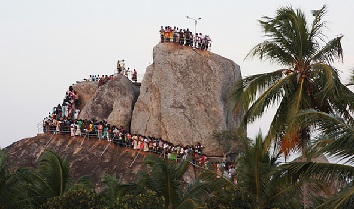
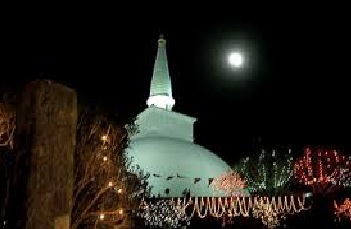
This full moon festival commemorates the advent of Buddhism to Sri Lanka in the 3rd century BC with the arrival in Mihintale of Arahat Mahinda, son of Emperor Asoka of India, who preached the doctrine of the dhamma to King Devanampiyatissa, resulting in the king’s conversion and the widespread acceptance of Buddhism in Sri Lanka. This event is celebrated primarily at Mihintale and at the ancient capital of Anuradhapura.
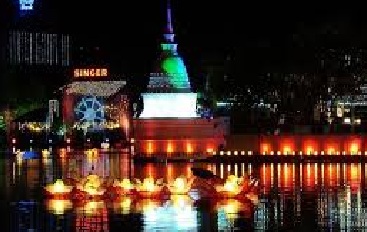
Madhu Festival (June – July)
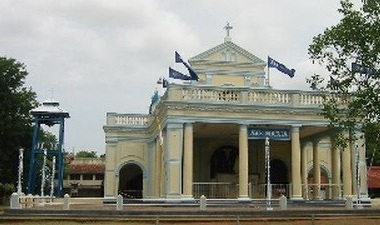
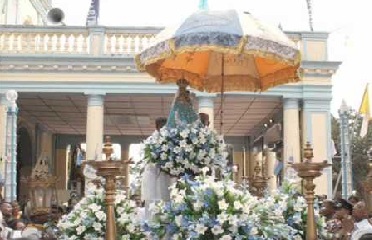
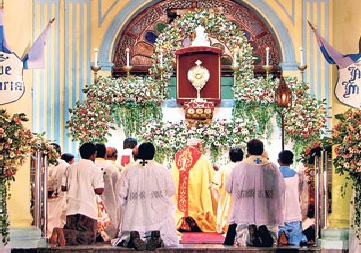
Roman Catholics celebrate the fortnight-long festival of Our Lady of Madhu, culminating on July 2 with the Feast of the Visitation, at the jungle shrine of Madhu near Mannar – popular among pilgrims of all religions for its reputed healing
Kandy Esala Perahera (July / August)
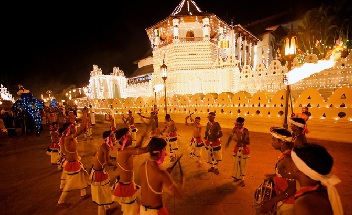
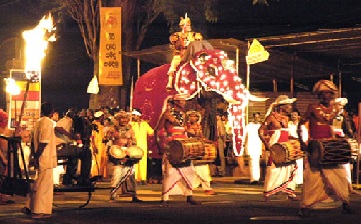
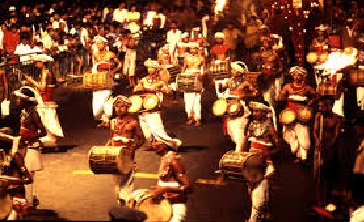
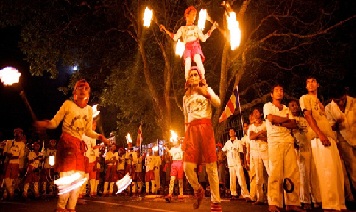
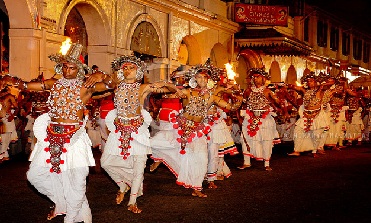
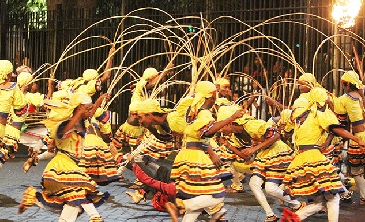
The Esala Perahera, held in the hill capital of Kandy, is one of the most magnificent spectacles in Asia. It traces its roots to King Siri Meghavanna or Kithsiri Mevan (304-332 AD), during whose reign the sacred Tooth Relic of the Buddha – the centerpiece of the festival and symbol of the country’s sovereignty – was borne to Sri Lanka from Kalinga by a Brahmin princess; but its present form was inaugurated by the 18th century Kandyan King Kirti Sri Rajasingha. The festival commences with nightly processions over 10 days and culminates in a day procession on the eleventh. Hundreds of costumed dancers, drummers, musicians, torch-bearers, whip-crackers, acrobats and other participants parade along the streets, while colourfully caparisoned elephants pace majestically past. Smaller peraheras are conducted concurrently at Kotte (5 miles/8 km from Colombo), Bellanwila (8/13), Lunawa (10/16), Ratnapura (90 Km from Colombo), in the hill country; Hanguranketa, Devinuwara, and Mahiyangana. •
Kataragama Festival
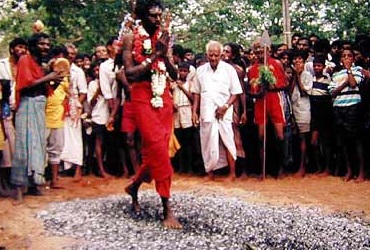
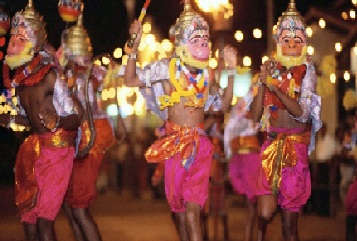
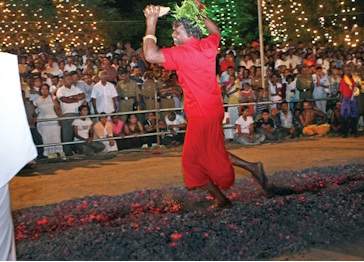
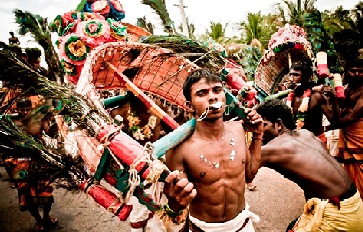
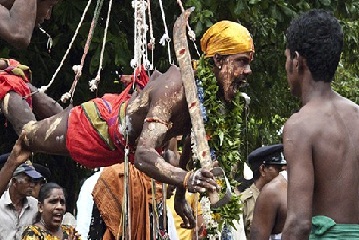
The ancient jungle shrine of Kataragama on the banks of the Menik (Gem) River in the southeast corner of the island has been a place of pilgrimage for over two millennia and is the focal point of a two week-long festival and perahera in July/August honouring the Hindu war-god Skanda, also known as Murugan. Pilgrims, including those from India, begin their trek to the site weeks - and sometimes months - in advance. A striking feature of the festival is the self-mortification devotees inflict upon themselves, either in repentance for wrongdoing or in fulfillment of vows. These amazing deeds of faith include the skewering of bodies, suspension from hooks pierced through flesh and fire-walking. Visitors to Kataragama include both Hindus and Buddhists, as well as some Muslims, who have their own shrine, the Khidr maqam dedicated to Al-Khidr, the ‘green one’. Katharagama Pada Yathra - Long March Among the ancient living traditions that survive in Sri Lanka is the Kataragama Pada Yatra. Starting from the island’s far north and ending up to two months and several hundred kilometers later at the Kataragama shrine in Kataragama. Pada Yatra tradition has played a major role in propagating and perpetuating traditions of Kataragama throughout Sri Lanka and South India. Prior to 1950 when a motorable road was extended up to Kataragama from Tissamaharama, the only way pilgrims could reach Kataragama was on foot or by bullock cart. All that has changed since then and now Kataragama is easily reachable by regular bus service from Colombo and other districts. For uncounted centuries, however, pilgrims had come on foot not only from points all over the island but also from India and even occasionally from Central Asia. Because of the sheer length of the Kataragama Pada Yatra, since ancient times those who walked the distance have tended to be swamis and bawas, dedicated religious specialists.
Vel Festival
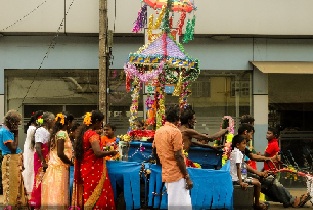
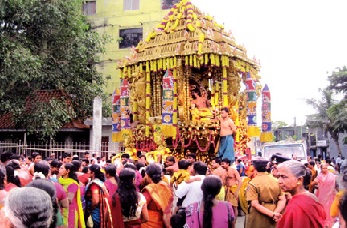
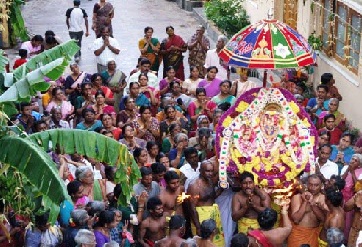
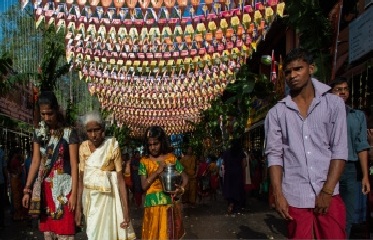
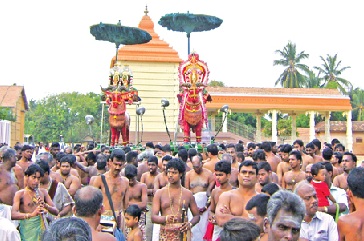
This annual festival is the occasion when the Vel or trident, the weapon of Kathiresan, an aspect of the Hindu war-god Skanda, is borne in a chariot from the Kathiresan kovil in Sea Street, Colombo 11 to a kovil in Bambalapitiya (Col. 4) or Wellawatte (Col. 6) in alternation each year. It lasts three days and nights and is distinguished by its carnival atmosphere. Several Hindu kovils in the Jaffna Peninsula celebrate festivals during this season: among others, those at Nallur, Vallipuram, Maviddapuram, Nainativu island and Thondamannar, which features fire-walking. Fire-walking ceremonies are also held at Udappu and Mundel. The Kali Festival at Munneswaram, off Chilaw, is an annual draw.
Feast of St. Anne (26 July)
Roman Catholics observe the annual Feast of St. Anne, dedicated to the mother of the Virgin Mary, on July 26 at Talawila church – reputed as a place of miraculous healing - on the Kalpitiya peninsula. Among the fruits available in abundance during this period are luscious mangosteen, rambuttan, durian, avocado, mango, custard-apple and guava.
Deepavali (In Late October)
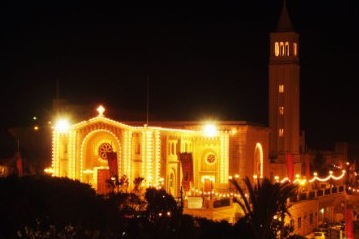
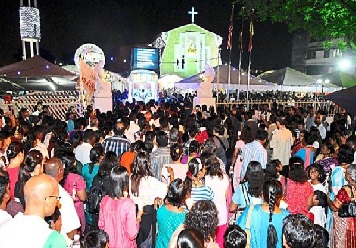
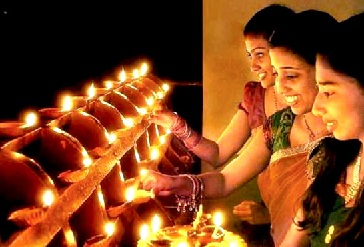
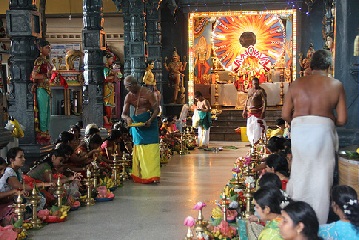
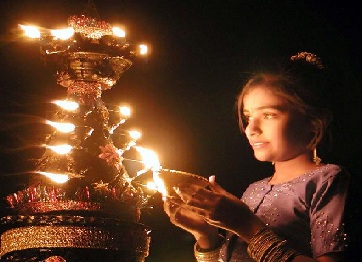
Deepavali, the joyous Hindu Festival of Lights, is observed in late October or early November to celebrate the triumph of good over evil and to welcome Lakshmi, the goddess of wealth and fortune. It marks the beginning of the financial year for the Hindu business community.
Ramazan (In November)
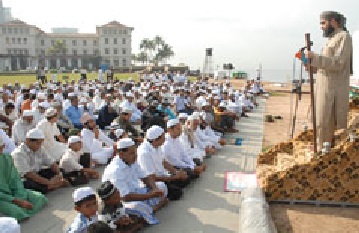
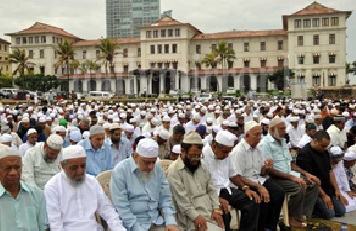
At the end of 28 days of fasting Muslims celebrate Id-Ul-Fitr (Ramazan) with prayers and delicious feasts, invitations to which are cherished by their friends of other faiths. Among the delectable fare consumed on this occasion are buriyani, a rich rice and meat dish and vattalappan, a sweet egg pudding.
Christmas (25 December)
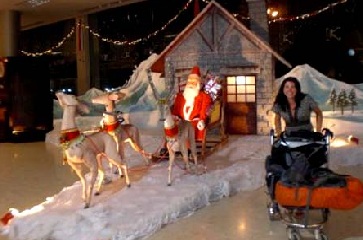
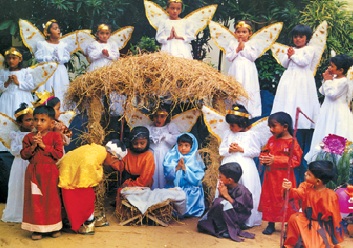
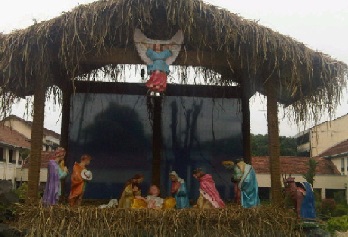
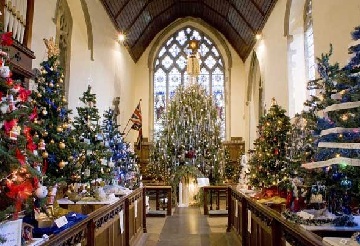
Christmas is celebrated in Sri Lanka in true style, with all the traditional trappings - except snow - and is eagerly anticipated by those of all religions as a time of revelry. Indeed, the week leading up to the dawn of the New Year is one long extended period of goodwill and merry-making.
Sri Pada Pilgrimage (Late December)
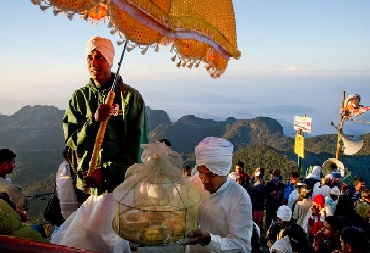
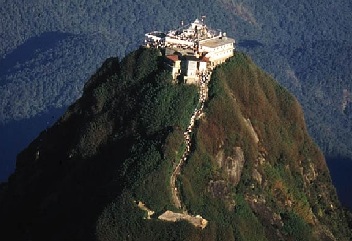
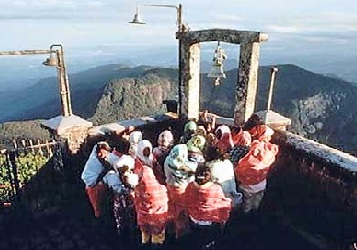
The annual Sri Pada (Adam’s Peak) Pilgrimage Season begins in late December, with devotees making the ascent to the 7362 ft. (2245 mt.) mountain’s summit up until the advent of the southwest monsoon in April/May. The peak is crowned by the impression of a gigantic footprint, which is venerated by pilgrims of all religions. Buddhists pay homage to it as that of Lord Buddha, made during his third visit to the island; Hindus believe it was made by the Creative Dance of Siva; while Muslims and Christians believe it to be that of Adam, with Roman Catholics sometimes attributing it to St. Thomas.